Renovate vs. Sell As-Is: How to Decide

It's one of the first questions every seller faces, and one of the hardest to answer with confidence. Do you spend money and time renovating before you list, or do you sell the property as it stands and let the next owner take it on? There's no universally right answer. The right choice depends on your numbers, your timeline, and your local market. Here's how to actually work through the decision.
Start With the Question Behind the Question
"Should I renovate?" isn't really the question. The real question is: will the money I spend on renovations come back to me, and then some, in the final sale price? A renovation that costs $30,000 and adds $50,000 to your sale price is worth doing. A renovation that costs $30,000 and adds $20,000 is a loss, even if the home looks noticeably better.
Every decision in this article comes back to that single comparison: renovation cost versus added value. Everything else is just detail.
When Renovating Usually Makes Sense
Your property is noticeably behind comparable listings
If similar homes in your suburb are selling for more because they've been updated and yours hasn't, buyers will price that gap in, often more harshly than the actual cost of the work. A dated kitchen or bathroom can cost you more in a lower sale price than it would cost to fix.
The renovation is cosmetic, not structural
Paint, flooring, updated fixtures, and minor kitchen or bathroom refreshes tend to have the most reliable return because they're relatively cheap, quick to complete, and directly address what buyers notice first.
You have time before you need to sell
Renovations take time to plan, execute, and settle into (tradie availability, approvals, unexpected delays). If your timeline is flexible, you can absorb these without pressure. If you need to sell in six weeks, a renovation project introduces risk you may not want.
Your suburb supports the upgraded price point
If comparable renovated homes near you are achieving meaningfully higher prices than unrenovated ones, there's a proven ceiling for your investment to reach toward.
When Selling As-Is Usually Makes Sense
The market is genuinely hot.
In a strong seller's market with low stock and high buyer competition, homes often sell well regardless of condition, because buyers have fewer alternatives and are prepared to renovate themselves after purchase. In these conditions, spending on renovations can be unnecessary money that the market would have paid anyway.
Your suburb has a ceiling.
Every suburb has a price point most buyers won't go beyond, regardless of how impressive the renovation is. If comparable homes are capping out at a similar price whether they're renovated or not, spending heavily on upgrades won't lift your result, it'll just eat into your margin.
You need to sell quickly.
Renovations extend your timeline. If you need to sell fast, whether due to relocation, finances, or a change in circumstances, listing as-is (potentially with a small presentation-only budget) gets you to market sooner and reduces the risk of holding costs eating into your gains.
The property needs structural work, not cosmetic work.
If what's really needed is a new roof, foundation repairs, or major electrical and plumbing upgrades, this is rarely the kind of renovation that pays for itself at resale. In these cases, it's often more effective to price the property accordingly and let the buyer factor the work into their offer.
You genuinely don't have the budget.
Renovating on borrowed money you don't have a clear path to repaying from the sale adds financial risk to a process that's supposed to reduce it. If cash flow is tight, selling as-is and pricing honestly is often the safer path.
The Middle Ground: Selective Renovation
Very few sellers face a binary choice between "renovate everything" and "change nothing." The most common and often most profitable approach sits in between: a targeted, presentation-focused refresh rather than a full renovation.
This usually means:
- A fresh coat of neutral paint throughout
- Decluttering and minor repairs (squeaky doors, loose handles, cracked tiles)
- Improving street appeal with tidy landscaping
- A modest kitchen or bathroom refresh rather than a full renovation, if either is genuinely holding the property back
- This approach captures much of the value-add of a full renovation, at a fraction of the cost and time, and it's the right call for a large share of sellers who aren't sure which direction to go.
How to Actually Make the Call
Rather than guessing which category your property falls into, the decision comes down to three numbers:
- What are comparable renovated homes in your suburb selling for?
- What would specific renovations realistically cost for your property?
- What's the gap between those two numbers, once the renovation cost is subtracted?
- If the gap is meaningfully positive, renovating is likely worth it. If it's marginal or negative, selling as-is (or doing a light refresh only) is the safer, more profitable choice.
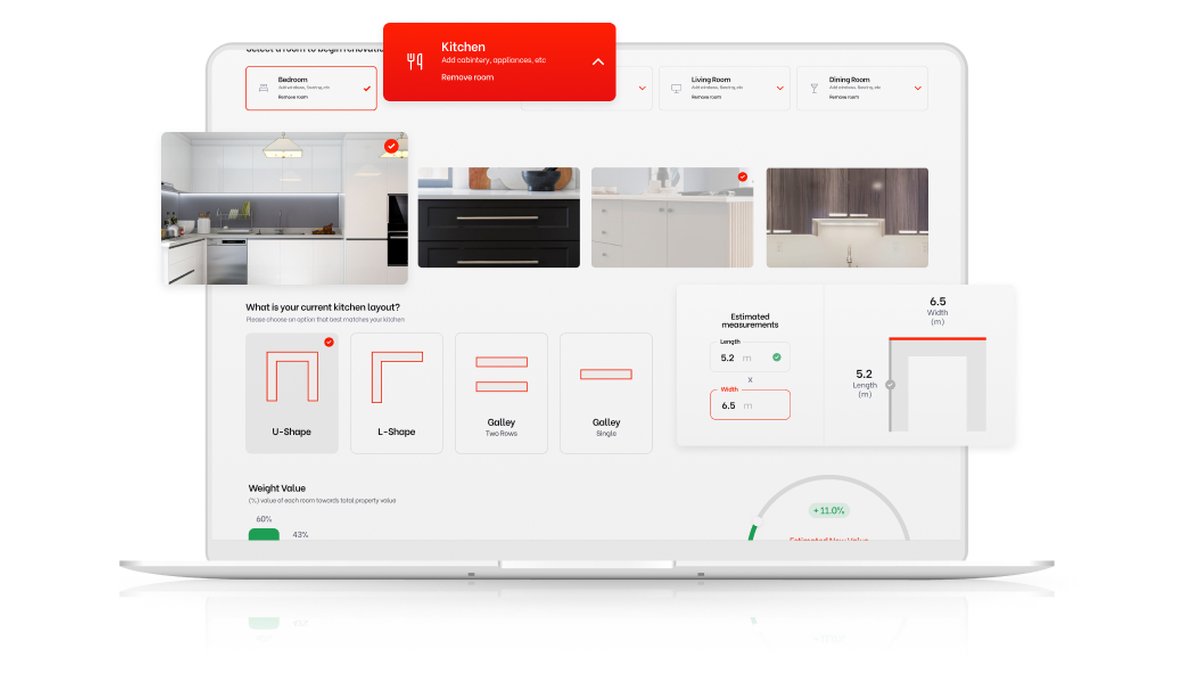
This is exactly the calculation Renosell's estimator is built to run for you. Instead of guessing at potential renovation ROI, you can model specific upgrades against your actual property and suburb and see the projected numbers before you commit a dollar or a decision.
The Bottom Line
Renovate vs. sell as-is isn't a question of which option is inherently better. It's a question of which option makes financial sense for your specific property, in your specific suburb, on your specific timeline. Sellers who get this decision right aren't the ones who renovate the most or the least. They're the ones who run the numbers first and let the numbers decide.
Run your address through Renosell's estimator to see whether renovating or selling as-is is the smarter move for your home.