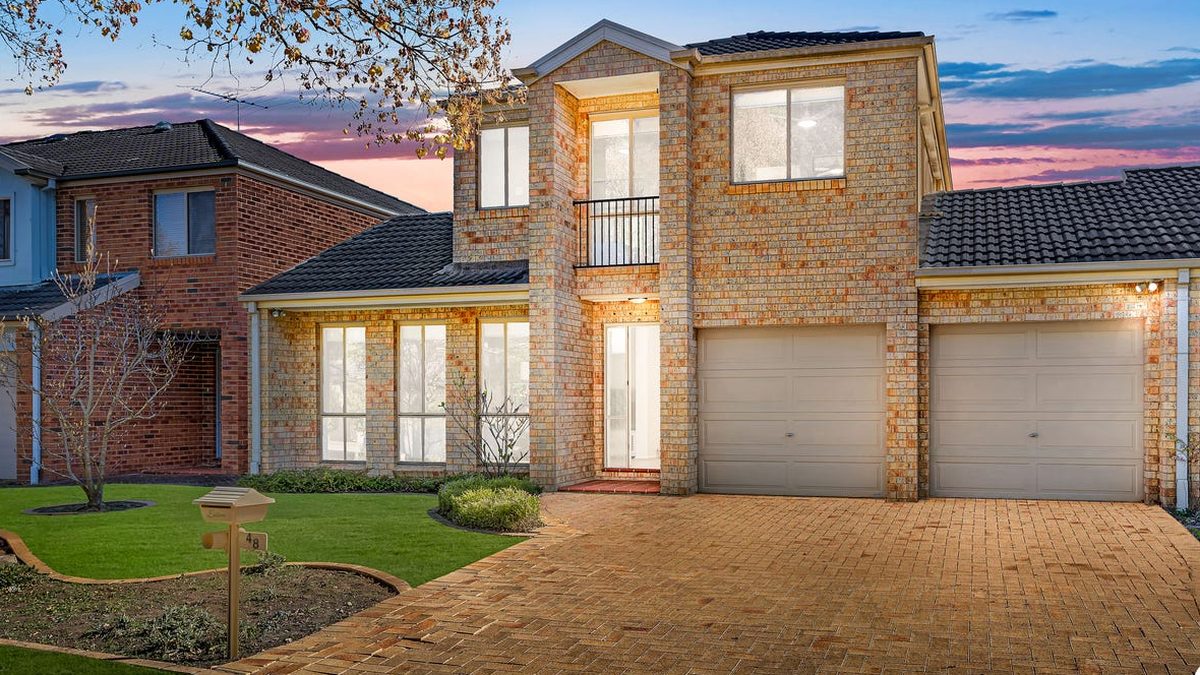
Deceased Estate Renovation in Sydney: What the Family Needs to Know

When a loved one passes and the family home needs to be sold, renovation can significantly increase the final sale price — without any upfront cost to the estate. Renosell manages the entire project, from assessment to completion, so the family can focus on what matters rather than coordinating tradespeople.
How Do You Handle the Family Home After a Loss?
Losing someone and then having to manage their property is one of the harder things a family faces. The emotional weight of stepping into a parent's or partner's home — especially one that may not have been updated in decades — can make every decision feel impossible.
And yet, those decisions need to be made. The estate needs to be settled, beneficiaries are waiting, and the property is sitting vacant — accruing council rates, insurance costs, and maintenance obligations while the family works through the process.
This article is written to help families and executors understand their options clearly, without pressure, and without jargon. If a solicitor is already involved in administering the estate, share this with them — Renosell is experienced in working within the constraints of active estate administration.
What Are the Legal Steps Before a Deceased Estate Property Can Be Sold?
Before a deceased estate property can be sold, several legal steps need to be in place. This is the executor's domain, not Renosell's — but understanding the process helps families plan the renovation timeline alongside the legal one.
- Grant of probate or letters of administration: The executor named in the will must obtain a grant of probate from the NSW Supreme Court before they can legally deal with the property. If there is no valid will, the court appoints an administrator and issues letters of administration. The NSW Supreme Court's probate information explains the process in detail.
- Title verification: The executor needs to confirm how the property was held — as a sole owner, as tenants in common, or as joint tenants — as this affects who the property passes to and the sale process.
- Outstanding liabilities: Any outstanding mortgage, council rates, water rates, land tax, strata levies, and other encumbrances need to be identified and factored into the net settlement proceeds.
- Decision on condition: The executor needs to make a decision about whether the property goes to market as-is or is prepared for sale. This is where Renosell comes in.
Renosell can begin the property assessment and renovation scoping as soon as the executor has authority to act — there is no need to wait until probate is fully granted if the executor has the authority to engage contractors. Your solicitor can advise on when it is appropriate to begin.
How Can Renovation Increase the Final Sale Price of a Deceased Estate?
Deceased estate properties tend to share a recognisable profile: last updated in the 1980s or 1990s, original kitchen and bathroom, tired paint, worn carpet, and a garden that hasn't been maintained. Buyers at auction know instantly they are looking at an unrenovated deceased estate — and they factor that in.
When buyers are planning their own renovation after purchase, they build in a significant buffer for uncertainty. They don't know exactly what they'll find behind walls, how long council approvals will take, or how much materials and trades will cost by the time they get around to it. That uncertainty is priced as a discount — often a larger discount than the actual renovation would cost.
When Renosell renovates before the property goes to market, that uncertainty is removed. Buyers see a clean, well-presented, move-in ready home. The renovation work is done and visible. This widens the buyer pool, increases competition at auction, and consistently produces a higher final sale price.
The renovation does not need to be extensive. A fresh coat of paint in a neutral palette, updated kitchen benchtops and splashback, a bathroom refresh with new tapware and lighting, and fresh flooring is often enough to transform how a property presents. The cost of that scope of work is typically a fraction of the price uplift it generates.
Learn more about the specific works Renosell recommends on the pre-sale renovations page, or estimate the potential uplift with the free Renocalc tool before you commit to anything.
Why Does No Upfront Cost Matter So Much for an Estate?
Estates are almost always cash-constrained until settlement. The asset value is tied up in the property, and executors are legally obligated to preserve the estate's assets — not to use other estate funds for works that benefit one asset over the others. In practical terms, this means renovation costs often can't be drawn from the estate's liquid funds without beneficiary agreement, and getting that agreement quickly can be difficult when families are grieving and spread across different locations.
Renosell's pay-at-settlement model sidesteps all of this. There is no upfront cost to the estate, no need for beneficiary agreement on funding, and no cash pressure on anyone in the family. Renosell funds the renovation works and is repaid from the settlement proceeds when the property sells. The fee is deducted before the net proceeds are distributed to beneficiaries.
This means the estate gets the benefit of a fully renovated property going to market — with the associated uplift in sale price — without any out-of-pocket outlay at any point in the process.
Compare this to the alternative: selling as-is, accepting the market's discounted offer for an unrenovated deceased estate, and distributing reduced proceeds to beneficiaries. In most cases, the gap between an as-is price and a renovated price is significantly larger than Renosell's fee. The Renocalc can model this comparison for your specific property.
How Does Renosell Work With Families and Executors?
Renosell understands that a deceased estate is a different kind of engagement to a standard vendor-managed renovation. The executor has legal obligations, the family may be in different places emotionally and geographically, and decisions that would be straightforward in a normal sale can carry additional weight here.
The team approaches these projects with genuine care: keeping communication simple, being patient with the pace of estate administration, and never adding pressure to a situation that already has enough of it.
The process:
- Initial assessment: Renosell meets with the executor — in person or virtually — to walk through the property, understand its condition, and discuss the renovation scope. The executor does not need to make any commitment at this stage.
- Detailed proposal: Renosell provides a written proposal covering the scope of works, the estimated cost, and the expected uplift in sale price. This gives the executor (and beneficiaries, where relevant) everything they need to make an informed decision.
- Executor approval: Once approved, Renosell manages every aspect of the project — trades, access, timeline, quality control, and site security for a vacant property. The family does not need to coordinate anything.
- Market launch: The property goes to market fully presented. Renosell coordinates with the appointed real estate agent to ensure photography and listing timing align with the renovation completion.
- Settlement: Renosell's fee is deducted from the gross settlement proceeds, before the net proceeds are distributed to the estate's beneficiaries.
Families are involved in the decisions that matter and kept out of the logistics that are better handled by professionals. Read more on the deceased estate renovation service page or contact Renosell directly to discuss a specific property.
Frequently Asked Questions
If you're managing a deceased estate in Sydney and need guidance on getting the property ready for sale, Renosell is here to help — without pressure and without jargon.
Deceased Estate Service