Renovating a Rental Property Before Selling: Is It Worth It?
Renovating a rental property before selling almost always returns more than it costs — but only when you focus on the right areas. With Renosell's pay-at-settlement model, landlords can renovate without spending a dollar upfront, then repay from the settlement proceeds. Data from CoreLogic consistently shows well-presented properties outperform as-is sales by a significant margin at auction.
Is It Worth Renovating a Rental Property Before Selling?
Yes — in the vast majority of cases. Investment properties tend to accumulate years of wear from tenants: dated kitchens, tired bathrooms, scuffed walls. Buyers know it, and they price the discount in accordingly. A well-executed pre-sale renovation closes that gap, attracts more competition at auction, and consistently returns $2–3 for every $1 spent in a Sydney market.
According to CoreLogic research, renovated properties in metropolitan markets sell for measurably more than comparable unrenovated properties in the same suburb — with the gap widest in the $800k–$1.5m price bracket where most Sydney investment properties sit.
The question is not whether to renovate. It is which renovations to prioritise, how to sequence them within the tenancy timeline, and how to fund them without eating into cash flow.
Renosell has helped dozens of Sydney landlords navigate exactly this process. You can read more about how the landlord pre-sale service works or estimate your renovation ROI with the free Renocalc tool before you commit to anything.
What Renovations Add the Most Value on an Investment Property?
Not all renovations are equal. For a rental property going to market, the goal is broad buyer appeal — cosmetic improvements that make the property feel move-in ready without over-capitalising on a single feature.
Here are the areas that consistently deliver the strongest return on a Sydney investment property:
- Kitchen refresh: New benchtops, handles, and a fresh coat of paint on cabinetry can make a dated kitchen feel a decade newer. A full kitchen replacement is rarely necessary — and rarely justifiable on ROI grounds — unless the existing kitchen is structurally beyond cosmetic repair. Focus on surfaces and fixtures first.
- Bathroom update: Regrouting tiles, replacing taps and fittings, updating lighting, and fitting a new vanity delivers a significant visual lift at a fraction of the cost of a full bathroom renovation. Buyers notice bathrooms. A clean, bright bathroom moves properties faster and at higher prices.
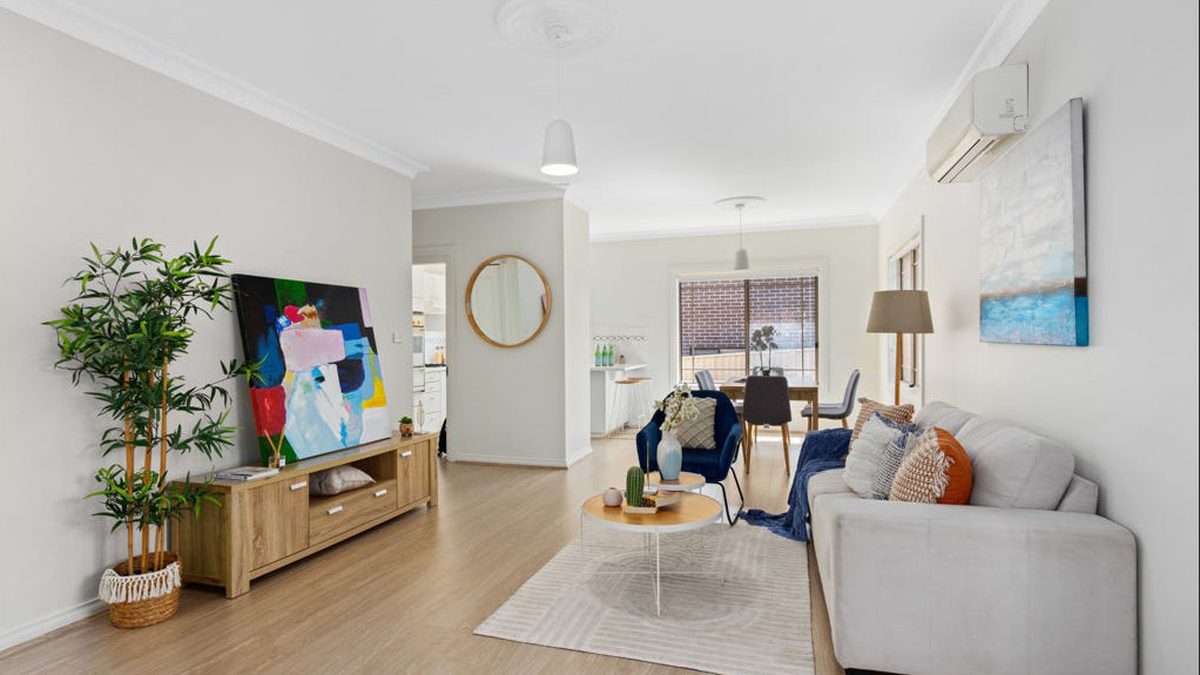
- Fresh paint throughout: Nothing photographs better or feels cleaner than neutral, fresh paint. A light, consistent neutral palette also makes rooms feel larger — a direct advantage when buyers are comparing your property against others in the same suburb online before they set foot through the door.
- Flooring: Replacing worn carpet with timber-look flooring — or polishing existing timber — is one of the highest-return investments in a pre-sale context. Engineered timber-look vinyl plank is durable, cost-effective, and presents exceptionally well in photography.
- Kerb appeal and exterior: First impressions are formed before buyers walk through the door. A clean facade, fresh front door, landscaped garden, and power-washed driveway lift perceived value before they set foot inside. In Sydney's competitive auction market, this matters more than most vendors realise.
- Lighting upgrades: Replacing yellow incandescent bulbs and dated light fittings with warm LED downlights is low-cost and dramatically improves how the property photographs and presents at inspections.
What to skip: custom finishes, luxury fittings, pool additions, or anything that appeals to a narrow buyer type rather than the broadest possible pool. You are renovating for the market, not for yourself or for your next tenant.
What Tax Implications Should Landlords Be Aware Of?
Important: The information below is general in nature and does not constitute tax advice. Always speak to a registered tax agent or accountant before undertaking renovation works on an investment property you intend to sell.
Renovation costs on an investment property can be treated in several different ways for tax purposes, and the rules are more nuanced than most landlords expect. The Australian Taxation Office distinguishes between repairs, maintenance, and capital improvements — and the treatment differs significantly.
- Repairs and maintenance (restoring something to its original condition, e.g. fixing a broken tap) are generally deductible in the year they are incurred, provided the property is still tenanted or available for rent.
- Capital improvements (upgrading something beyond its original condition, e.g. a full kitchen renovation) are generally not immediately deductible. They may be claimed as a deduction over the effective life of the improvement under Division 43 (capital works), and they also affect the property's cost base for Capital Gains Tax purposes.
- Initial repairs (fixing something that was defective when you purchased the property) are generally not deductible at all and must be added to the cost base.
Timing also matters. Work completed while the property is still a rental asset is treated differently to work done after the tenancy has ended and the property has been taken off the rental market. Your accountant can help you sequence renovation works — and the timing of the tenancy end — in a way that is most advantageous given your overall tax position.
If you have a depreciation schedule in place with a quantity surveyor, a pre-sale renovation may require it to be updated. Some renovation expenditure may be immediately deductible as scrapping costs if existing depreciable plant and equipment (e.g. carpets, appliances) is removed and disposed of. Again — this is worth confirming with your accountant before you start.
What Does the Sydney Rental Property Market Look Like Right Now?
Sydney's investment property market in 2026 is characterised by strong underlying demand but increasingly discerning buyers. With interest rates stabilising and rental yields compressing in many inner and middle-ring suburbs, buyers are more focused on quality of finish than they were three years ago.
Properties that present well — clean, neutral, move-in ready — are attracting multiple bidders at auction. Properties that present poorly are sitting longer and selling under reserve. The Domain Research team's quarterly reports consistently show this pattern: the spread between well-presented and poorly-presented properties in the same suburb is widening, not narrowing.
For landlords, this means the cost of doing nothing is rising. A property that would have sold adequately as-is three years ago is now more likely to attract a discount that exceeds the cost of a modest pre-sale renovation.
How Does Renosell's Pay-at-Settlement Model Work for Landlords?
Renosell's model is built specifically for the cash flow reality of investment property ownership. You renovate now and pay from the settlement proceeds — not from your own pocket. No upfront cost, no personal loan, no cash flow pressure during the renovation period.
The process:
- Free property assessment: Renosell assesses the property and scopes the renovation based on what will add the most value for your suburb and property type — not a generic renovation template.
- Proposal and approval: You receive a detailed proposal including renovation scope, estimated cost, and expected sale price uplift. You approve before any work begins.
- End-to-end project management: Renosell manages every aspect of the project — trades, timeline, quality control, and site access. You don't need to coordinate anything.
- Market launch: The property goes to market fully presented, with professional photography and staging if needed.
- Settlement deduction: Renosell's fee is deducted from the settlement proceeds at the point of sale. No cash outlay is required at any stage prior to settlement.
For landlords juggling mortgages, outgoing tenant leases, and holding costs, this removes the biggest obstacle to a proper pre-sale renovation: coming up with renovation funds at exactly the moment cash flow is already stretched.
Compare this to the alternative — selling as-is and accepting whatever the market offers for an unrenovated property. In most cases, the gap between an as-is price and a renovated price is significantly larger than Renosell's fee. The Renocalc can show you this comparison before you commit.
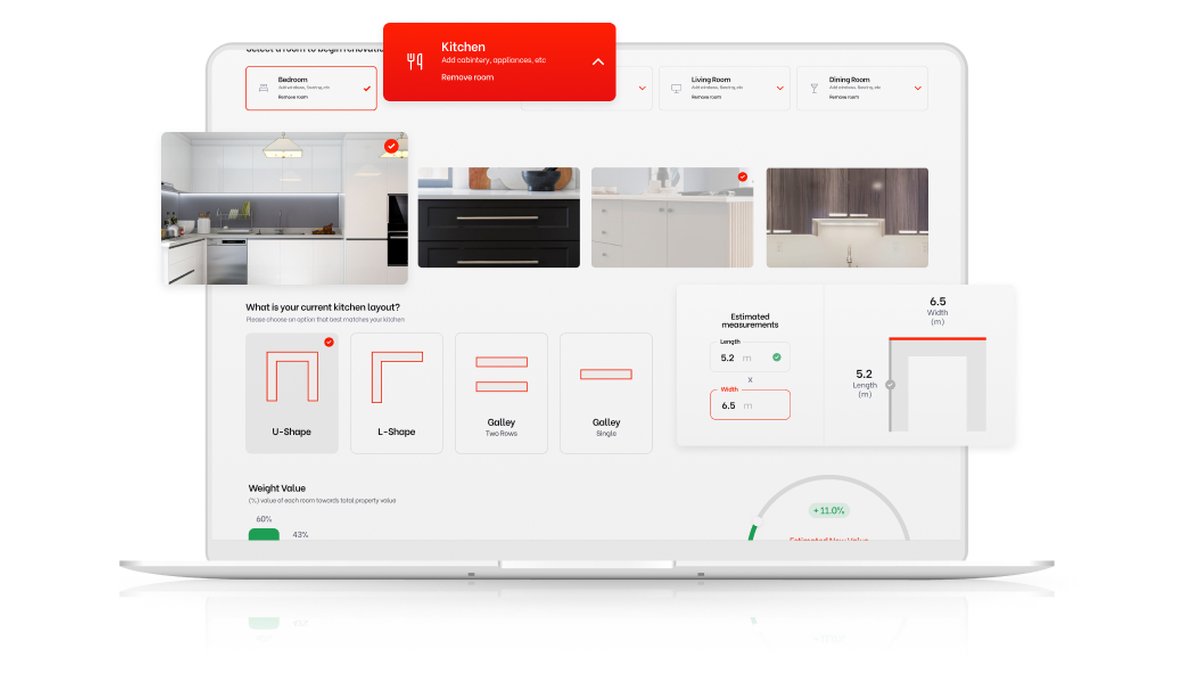
Use the Renocalc tool to estimate what a renovation could add to your property's sale price, or learn more about how Renosell's pre-sale renovation service works. If you're ready to talk through your specific property, book a free landlord consultation here.
Frequently Asked Questions
Ready to maximise your investment property's sale price without spending upfront?
Landlord Renovation Service